Trees are more than just greenery in our yards—they provide shade, beauty, and a sense of peace. But there are times when a tree becomes a hazard, starts to die, or simply interferes with your landscaping plans. Understanding when and how to handle such situations is crucial, and knowing about tree removal can save you time, money, and stress. In this guide, we’ll walk you through the essentials of tree care, including safe removal practices, without losing the charm of your outdoor space.
When Tree Removal Becomes Necessary
Removing a tree isn’t always the first solution, but there are scenarios where it becomes essential. Common signs include:
- Cracks in the trunk or major limbs
- Dead or decaying branches
- Root damage affecting foundations or plumbing
- Trees leaning dangerously over structures or roads
Ignoring these signs can lead to accidents, property damage, or even injuries. Consulting a professional arborist is always a wise first step—they can assess whether removal is necessary or if other solutions, such as pruning, can extend the tree’s life.
The Process of Professional Tree Removal
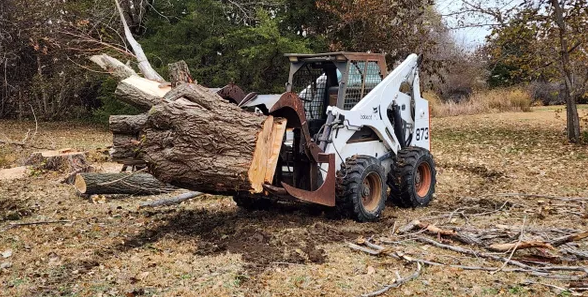
Tree removal isn’t just about cutting down a tree. It’s a careful process that requires skill, equipment, and planning. Professionals start by evaluating the tree’s size, species, and location. Then, they determine the safest approach to take it down, often using cranes, ropes, and cutting tools to ensure the tree falls exactly where intended.
One important consideration is debris management. Large trees produce substantial branches and foliage, which can clutter your yard. A professional service typically offers cleanup and recycling, sometimes turning wood into mulch or firewood. This step not only makes your property safe but also environmentally friendly.
DIY Tree Removal: Risks and Recommendations
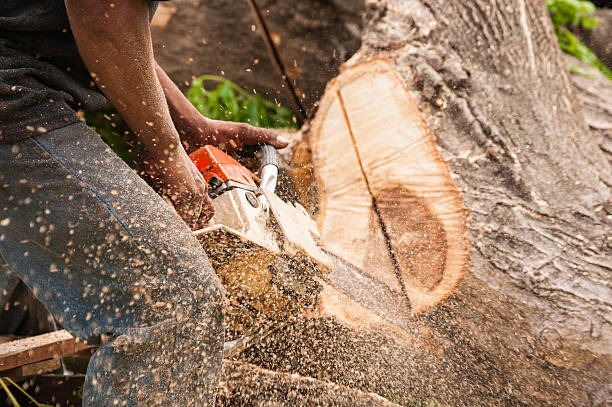
While the idea of removing a tree yourself may seem appealing, it comes with significant risks. Heavy branches can fall unpredictably, and chainsaws or other equipment can cause serious injuries if not handled correctly.
If you are determined to do it yourself, take these precautions:
- Always wear protective gear, including gloves, helmet, and eye protection.
- Use proper tools designed for tree cutting.
- Never attempt to remove a large tree alone; having a partner improves safety.
- Consider small trees for DIY efforts while leaving bigger or hazard-prone trees to professionals.
Even with precautions, there is no substitute for experience. Many homeowners find that hiring a certified arborist is more cost-effective in the long run, considering potential accidents or property damage.
Benefits of Timely Tree Maintenance
Maintaining your trees regularly can reduce the need for removal. Pruning, watering, and monitoring tree health keeps them strong and less likely to become hazardous. Regular inspections can also identify diseases early, which might be treatable without cutting the tree down entirely.
Additionally, well-maintained trees improve property value, provide natural shade that saves energy costs, and contribute to local wildlife habitats. In essence, proactive tree care is an investment in both safety and aesthetics.
Conclusion: Caring for Trees with Safety and Wisdom
Trees enhance our surroundings but knowing when tree removal is necessary ensures that they remain a benefit rather than a danger. Whether opting for professional help or carefully managing small trees yourself, safety should always be the top priority. Regular maintenance, timely assessments, and responsible removal strategies preserve not just your property but also the beauty and health of your outdoor environment.
About the Author